- N40trn added to debt stock via naira devaluation
- N35trn added to debt stock via ways & means securitisation
- N33trillion added to debt without new borrowing…. Senator Monguno
BY BONNY AMADI
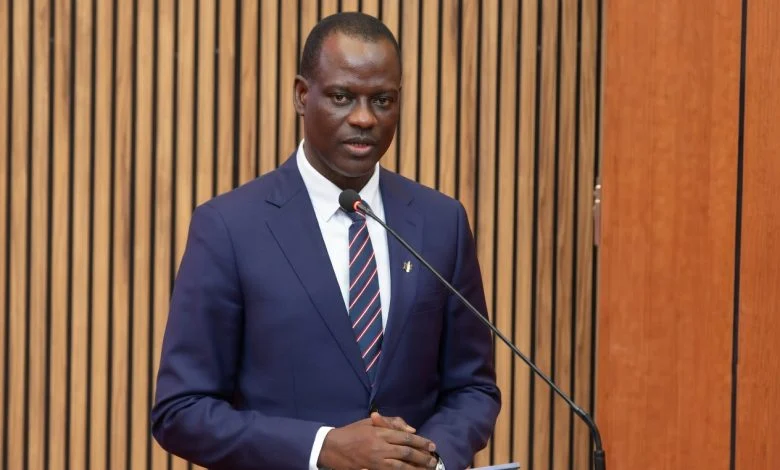
Nigeria’s minister of finance and coordinating minister of the economy, Taiwo Oyedele says the sharp increase in Nigeria’s public debt is largely the result of naira depreciation and accounting adjustments rather than fresh borrowing by the Bola Tinubu administration.
Oyedele spoke on Monday while briefing the senate committee on finance on the state of the nation’s economy.
The minister was responding to questions from Adamu Aliero, senator representing Kebbi central, on claims that the current administration had borrowed about N80 trillion in addition to the N75 trillion public debt it inherited.
Oyedele said comparing the country’s debt stock at the start of the administration with the current figure without accounting for exchange rate movements created a misleading impression. “When this administration came into office, public debt was around N75 trillion.
Many people simply compare that figure with today’s debt stock and conclude that this government has borrowed massively,” he said.
“However, it is important to note that, following the reforms and the depreciation of the naira, the foreign currency component of our public debt had to be revalued because Nigeria reports its debt in naira.
That accounting adjustment alone added more than N40 trillion to the public debt figure.”
The minister said the securitisation of the ways and means advances inherited from the previous administration also contributed significantly to the increase in the debt stock.
Another important factor is the securitisation of the ways and means advances from the previous administration, which the national assembly approved,” he said.
“About N33 trillion was added to the public debt through that process. It was not new borrowing; it was simply bringing previously existing obligations onto the official debt books.
“These factors have not always been properly explained, which is why the reported public debt appears much larger.
‘The actual amount this administration has borrowed is nowhere near what many people believe.”
Oyedele added that much of the government’s domestic borrowing was used to refinance existing debt rather than accumulate new obligations.
“Even for domestic borrowing, much of it is refinancing. Debt that was borrowed previously matures, and government raises new debt to refinance it. That is not new borrowing,” he said. He said the Tinubu administration had adopted a prudent borrowing strategy focused on infrastructure and long-term economic growth.
This administration has been very responsible in its borrowing. We understand the concerns of Nigerians and of the distinguished senators, but we remain fully committed to debt sustainability,” he said.
“We see debt as leverage. Every naira and every dollar borrowed should generate more value than the amount borrowed.”
During the session, Tahir Monguno, the senate chief whip and senator representing Borno north, and Aliero criticised the slow implementation of the capital component of the 2026 budget.
Monguno said failure to implement the capital budget amounted to an impeachable offence.
“About N33 trillion was added to the public debt through that process. It was not new borrowing; it was simply bringing previously existing obligations onto the official debt books.

Recommended for you






Leave a Reply
Leave a Reply