- To Transform Lagos Drivers into Asset Owners, Mobility Investors
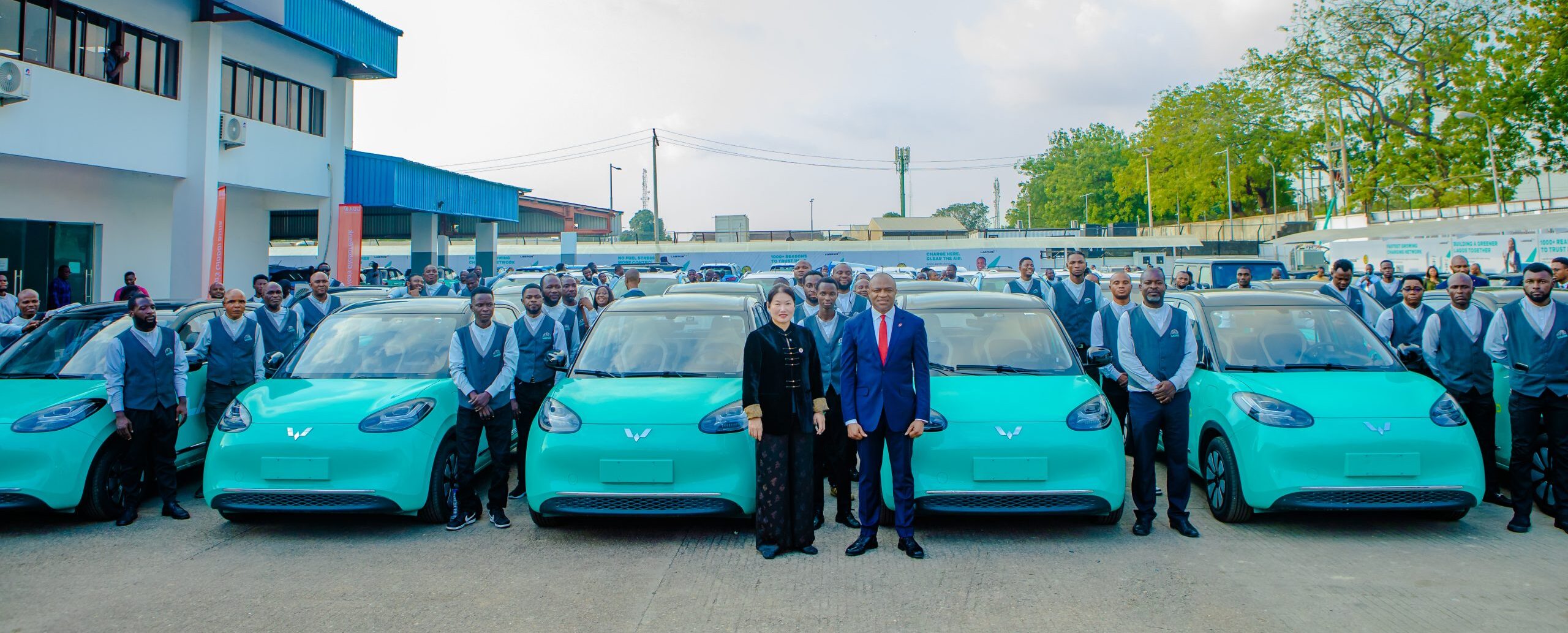
Lagride has secured a 100-million-dollar financing facility from United Bank for Africa to expand its Drive to Own programme and enable 3,500 Lagos drivers to transition from daily earners into long-term asset owners, business operators and mobility investors.
The partnership strengthens Lagos State’s transportation ecosystem and accelerates the shift toward a structured, technology-enabled and financially bankable mobility sector.
Over the past 10 months, Lagride has rebuilt its entire onboarding and operational system for drivers, known as Lagride Captains. The platform introduced a performance-led Drive To Earn structure supported by weekly and monthly rental models. This system has generated consistent 90-day us- age and repayment data across the fleet, allowing United Bank for Africa and other financial institutions to assess driver performance with accuracy, confidence and transparency.
Eligibility for the Drive
To Own programme is based on clearly defined performance thresholds, repayment discipline, safety compliance and service consistency. Through this approach, Lagride has emerged as the most structured, data-driven and credit-ready mobility platform in Nigeria, setting a new benchmark for bankable driver financing and asset ownership.
“Transportation is the backbone of Africa’s economic future, and platforms like Lagride are creating the blueprint for how African cities can build modern, technology driven and people-centred mobility systems.”
EV Infrastructure Expansion
As part of the milestone, Lagride also unveiled an expanded electric vehicle charging facility in Alausa, Lagos, reinforcing its long-term commitment to clean, future ready mobility. The expanded infrastructure is designed to support the growing electric vehicle segment within Lagride’s fleet, reduce operational downtime and enable more efficient, sustainable transportation at scale. By pairing driver financing with practical EV infrastructure, Lagride is positioning itself as a mobility platform built not just for today’s Lagos, but for the next generation of urban transport.

Leave a Reply
Leave a Reply