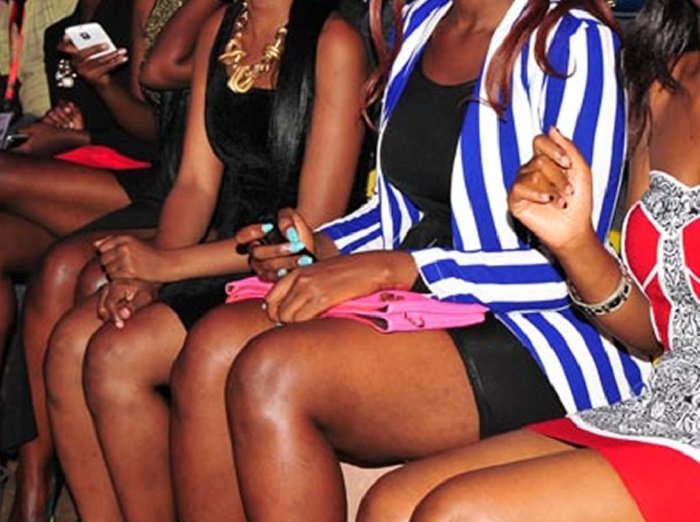
By Victor Adeoti
The prevalence of immodest dressing among young Nigerian women has stirred intense national debate, eliciting strong opinions from parents, educators, religious leaders, and policymakers.
This trend, commonly manifested in the wearing of revealing or provocative clothing, has become increasingly visible in urban centres, schools, and social gatherings.
Yet, beyond the surface concerns lies a more complex conversation—one that touches on identity, culture, generational shifts and societal expectations.
For some, indecent dressing reflects a worrying erosion of moral values; for others, it is a form of self-expression shaped by evolving global fashion trends and the desire to belong in a rapidly changing world.
This divergence of views raises a critical question: where should society draw the line between personal freedom and cultural responsibility?
Nigeria, a culturally diverse and largely conservative society, has long upheld modesty as a core value.
Traditional norms and religious teachings often prescribe acceptable standards of appearance, particularly for young women.
Unsurprisingly, religious institutions have remained vocal, urging adherence to modest dressing as a reflection of discipline and moral uprightness.
However, the growing influence of globalisation continues to challenge these long-standing ideals.
Social commentators point to the rise of social media as a major factor shaping fashion choices among young people.
Platforms such as Instagram and Tik- Tok expose users to a constant stream of global trends, celebrity lifestyles and influencer culture—many of which celebrate bold and revealing styles.
Young girls are increasingly navigating a world where visibility, validation and identity are often intertwined with appearance.
For years, parents have been seen as the primary custodians of values and moral standards.
Critics argue that a decline in parental guidance has contributed to the rise in revealing dressing. But others contend that parenting has become far more complex in an era of constant digital exposure.
Even the most attentive parents now compete with powerful external influences that shape perceptions and preferences.
Experts suggest that beyond condemnation, there is a need for more open and constructive conversations.
Discussions around self-worth, dignity and societal expectations, they argue, can foster better understanding and help young people make informed choices without feeling alienated.
Equally important is the need to ad- dress a sensitive but critical issue—the tendency to link dressing with harassment.
Advocacy groups consistently warn against victim-blaming, stressing that in- appropriate behaviour or violence is never justified, regardless of appearance. A social behaviour expert, Mr Adeola Olabiyi, highlights what he describes as a societal paradox.
“Music videos, movies and advertisements often glamorise revealing styles, yet young girls are criticised for embracing them.
“This double standard creates confusion. Society celebrates boldness but demands modesty at the same time, leaving young people to navigate conflicting expectations without clear direction” he said.
From a legal standpoint, some stake- holders advocate stricter measures.
Legal practitioner Jimoh Abdulquadri emphasises the role of parents in guiding their children’s dressing habits, insisting that freedom of choice should not replace responsible upbringing.
Abdulquadri decried the practice of parents allowing their children to wear whatever clothes they prefer without proper guidance.

Recommended for you





Leave a Reply
Leave a Reply