BY BONNY AMADI
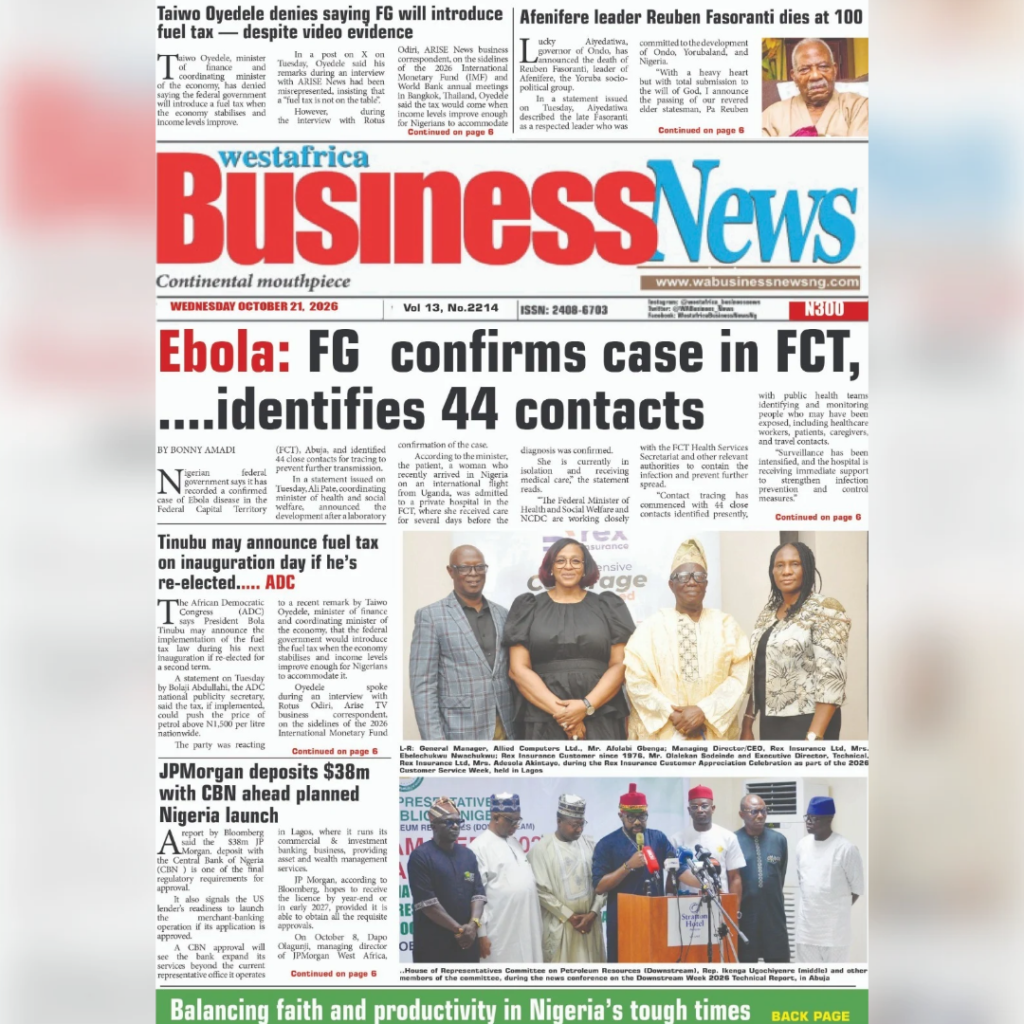
Nigerian federal government says it has recorded a confirmed case of Ebola disease in the Federal Capital Territory (FCT), Abuja, and identified 44 close contacts for tracing to prevent further transmission.
In a statement issued on Tuesday, Ali Pate, coordinating minister of health and social welfare, announced the development after a laboratory confirmation of the case.
According to the minister, the patient, a woman who recently arrived in Nigeria on an international flight from Uganda, was admitted to a private hospital in the FCT, where she received care for several days before the diagnosis was confirmed. She is currently in isolation and receiving medical care,” the statement reads.
“The Federal Minister of Health and Social Welfare and NCDC are working closely with the FCT Health Services Secretariat and other relevant authorities to contain the infection and prevent further spread.
“Contact tracing has commenced with 44 close contacts identified presently, with public health teams identifying and monitoring people who may have been exposed, including healthcare workers, patients, caregivers, and travel contacts.
“Surveillance has been intensified, and the hospital is receiving immediate support to strengthen infection prevention and control measures.
The minister asked public and private healthcare facilities across the country to be on high alert.
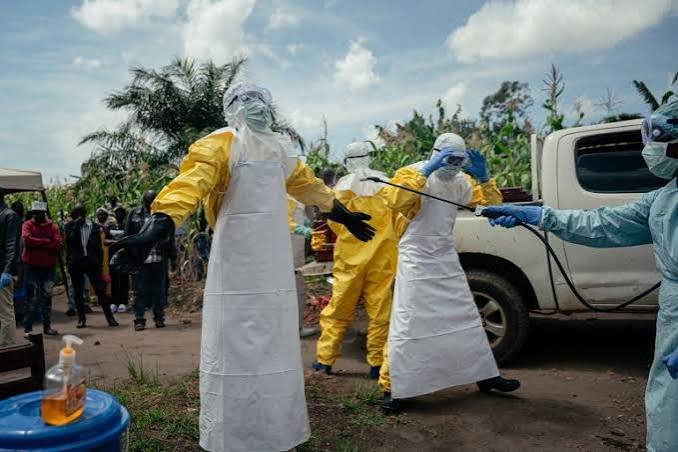
He added that healthcare workers must maintain a high index of suspicion, promptly identify and isolate suspected cases, observe strict infection prevention and control measures, and immediately report suspected cases to public health authorities.
REMAIN CALM AND BE VIGILANT’
The minister urged Nigerians to remain calm, recalling that the country successfully contained Ebola in 2014.
He said Nigeria had the experience and public health systems to respond to the current case, adding that containing Ebola required the cooperation of all citizens.
“The federal government, FCT authorities, and other partners are working together to protect healthcare workers, patients, and the wider public. Investigations are ongoing, and we will continue to provide accurate and timely information,” he said.
“We urge Nigerians to remain calm, stay vigilant, and cooperate with public health authorities. Early detection, prompt reporting, and everyone’s cooperation are critical to preventing further spread.
“The Government of Nigeria, through the presidential taskforce on EVD and NCDC, will continue to provide updates.
NCDC free call centre is available 24 hours a day, seven days a week. For information or to report a suspected case, please call NCDC tollfree number 6232.”
In May, the federal government assured Nigerians that there was no confirmed case

Recommended for you






Leave a Reply
Leave a Reply