BY JOAN NWAGWU
For many Nigerians working in the informal sector, life’s uncertainties are not just unpredictable; they are often devastating.
For instance, a petty trader in Abuja, who depends on daily sales to feed her family, recalls how a minor accident once kept her away from work for weeks.
With no insurance, no compensation and no safety net, her small business nearly collapsed under the weight of medical bills and lost income.
Indeed, her experience reflects the reality of millions across West Africa; farmers, artisans, market women and transport workers, who remain excluded from formal social security systems and are left vulnerable to economic shocks.
However, in spite of ongoing reforms and policy commitments, access to social protection in the region remains uneven, with large segments of the population either unaware of or unable to benefit from existing schemes.
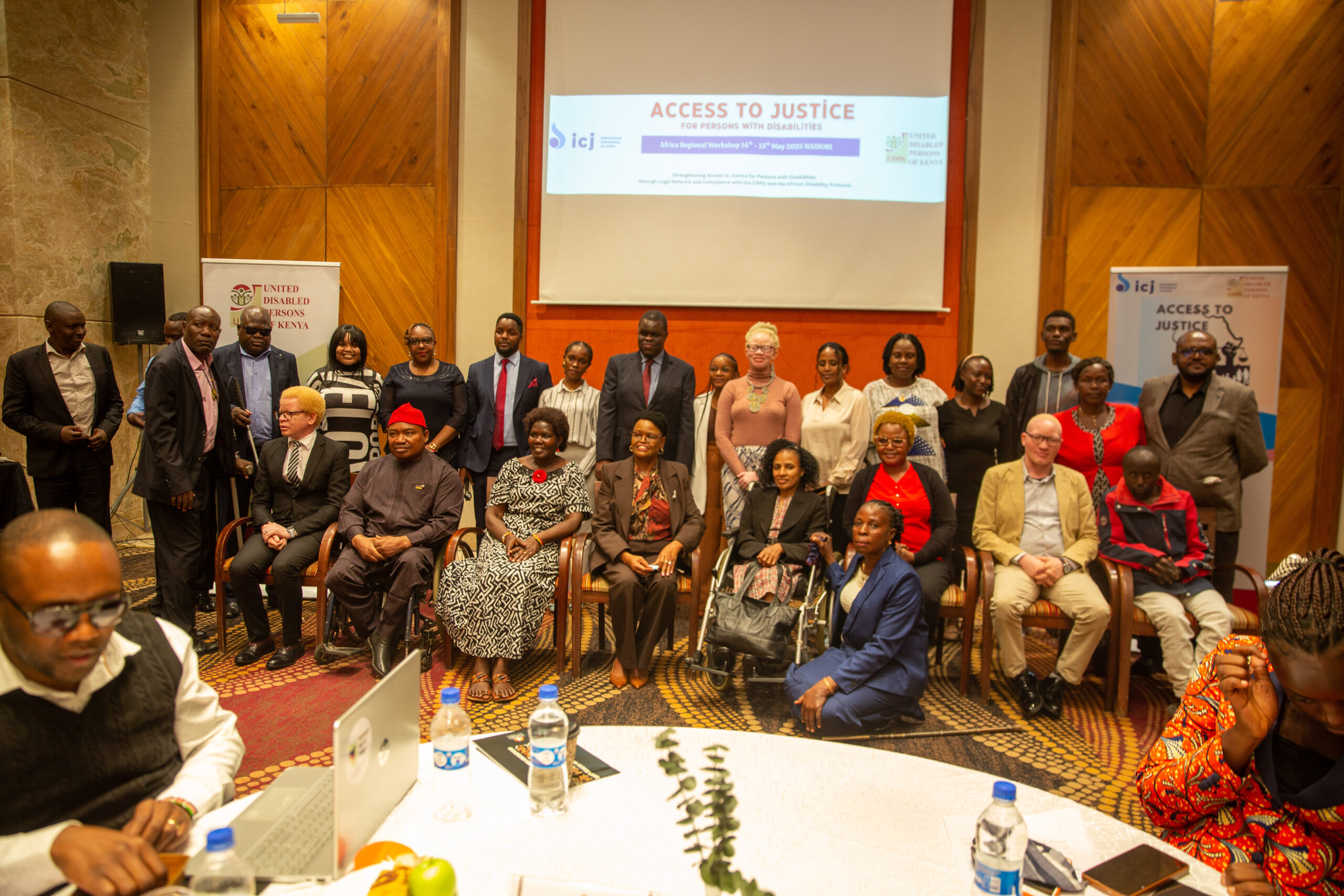
It is against this backdrop that policymakers, development partners and social security experts gathered in Abuja for the 2026 International Social Security Association (ISSA) West Africa Seminar.
It was to explore ways of making social protection systems more inclusive and accessible.
Specifically, the two-day seminar, hosted by the Nigeria Social Insurance Trust Fund (NSITF) in collaboration with ISSA and the National Pension Commission (PenCom), focused on improving inclusiveness through effective communication; an issue recognised as a major barrier to access.
In his remarks, the Minister of Labour and Employment, Dr Muhammad Dingyadi, said the need to strengthen social protection systems had become more urgent in a rapidly changing world of work.
According to him, technological advancements, shifting employment patterns and the expansion of the informal sector have made it imperative for governments to rethink how social security services are delivered.
Furthermore, he noted that social security remains a fundamental pillar for social justice, industrial harmony and sustainable economic growth.
Dingyadi, therefore, reaffirmed the Federal Government’s commitment to building a more inclusive system under the Renewed Hope Agenda of President Bola Tinubu, with emphasis on ensuring that no worker is left behind.
He added that the Nigeria Social Insurance Trust Fund (NSITF) plays a central role in providing compensation for workplace injuries, disabilities and deaths, noting that efforts were ongoing to strengthen its operations and reach.
Nevertheless, beyond policy frameworks and institutional mandates lies a more complex challenge; how to ensure that those who need these services most are aware of them and can access them without barriers.
Across the region, weak communication, low awareness and administrative bottlenecks continue to limit the effectiveness of social protection programmes.
Similarly, the Minister of Budget and Economic Planning, Sen. Abubakar Bagudu, underscored this point, noting that communication must be seen as a critical tool in expanding access.
He explained that while West African countries share similar development challenges, they also share opportunities to improve social protection through better engagement with citizens.
In addition, Bagudu highlighted ongoing reforms in Nigeria, including pension improvements, cash transfer programmes and broader economic policies aimed at supporting vulnerable populations.
He also disclosed that the Federal Government had introduced a ward-level development strategy designed to bring social protection closer to the grassroots.
Notably, the initiative, covering over 8,000 wards nationwide, seeks to identify local economic opportunities and ensure that support reaches those at the lowest levels of society.
For many observers, such decentralised approaches could, therefore, mark a turning point in bridging the gap between policy design and real-life impact.
Meanwhile, the Managing Director of NSITF, Mr Oluwaseun Faleye, emphasised that Nigeria’s growing population and dynamic labour market make stronger and more responsive systems unavoidable.
He said the fund had embarked on significant reforms, including a shift from paper-based processes to integrated digital systems aimed at improving efficiency, transparency and service delivery.
As a result, digital transformation is already enhancing claims processing, data management and stakeholder engagement. However, he cautioned that technology alone is not enough.
“Digital transformation must be backed by capacity building, institutional reforms and strong governance to achieve meaningful results,” Faleye said.
From a broader regional and global perspective, stakeholders say the challenge is even more profound.
In this regard, the International Labour Organisation (ILO) Country Director to Nigeria, Dr Vanessa Phala-Moyo, noted that millions of people across West Africa still lack access to formal social protection systems.
She identified women, young people, rural communities and migrant workers as the most excluded groups, often due to structural barriers and limited awareness.
Moreover, according to her, ineffective communication remains a major obstacle, as many citizens do not fully understand the services available to them or how to access them.
She, therefore, called for simplified messaging and the use of digital tools, including mobile platforms, to reach a wider audience.
Phala-Moyo also stressed the importance of integrated data systems that can improve targeting, reduce duplication and enhance overall efficiency.
In addition, she pointed out that fragmented institutional arrangements often lead to poor coordination and weak implementation of social protection policies.
Similarly, the Director-General of the National Pension Commission, Ms Omolola Oloworaran, said reaching the informal sector remained one of the biggest challenges facing social security systems.
She noted that many workers in this sector operate outside formal structures, making it difficult to enrol them in existing schemes.
According to her, improving communication strategies and simplifying processes would be key to expanding coverage.
Also speaking, the Secretary-General of ISSA, Mr Marcelo Caetano, highlighted the role of political will and strong institutions in achieving sustainable social protection systems.
He said communication is central to building trust, transparency and accessibility, adding that citizens are more likely to engage with systems they understand and trust.
In the same vein, the Chairman of the ISSA Liaison Office for West Africa, Mr Kwesi Biney, described communication as a bridge between institutions and the people they serve.
He stressed that while digitalisation offers significant opportunities, it must be complemented by community-based outreach to ensure inclusivity.
Overall, experts at the seminar agreed that addressing social protection gaps in West Africa requires a multi-dimensional approach that combines policy reforms, technological innovation and effective communication.
They emphasised that social security systems must evolve to reflect the realities of modern labour markets, where informal employment continues to dominate.
For millions of workers across the region, the stakes are high.
Indeed, without adequate social protection, even minor disruptions; such as illness, injury or loss of income, can push families into deeper poverty.
As governments and stakeholders intensify reform efforts, the real test will be whether these initiatives translate into tangible improvements in the lives of ordinary people.
Ultimately, for the petty trader in Abuja and countless others like her, inclusive social protection is not just a policy goal; it is a lifeline.
Therefore, ensuring that no one is left behind will require not only strong commitments, but also sustained action, collaboration and a willingness to listen to the voices of those most affected.
Only then can the promise of social security become a reality for all.

Recommended for you





Leave a Reply
Leave a Reply