- As NDIC Commences Liquidation Process
BY BONNY AMADI
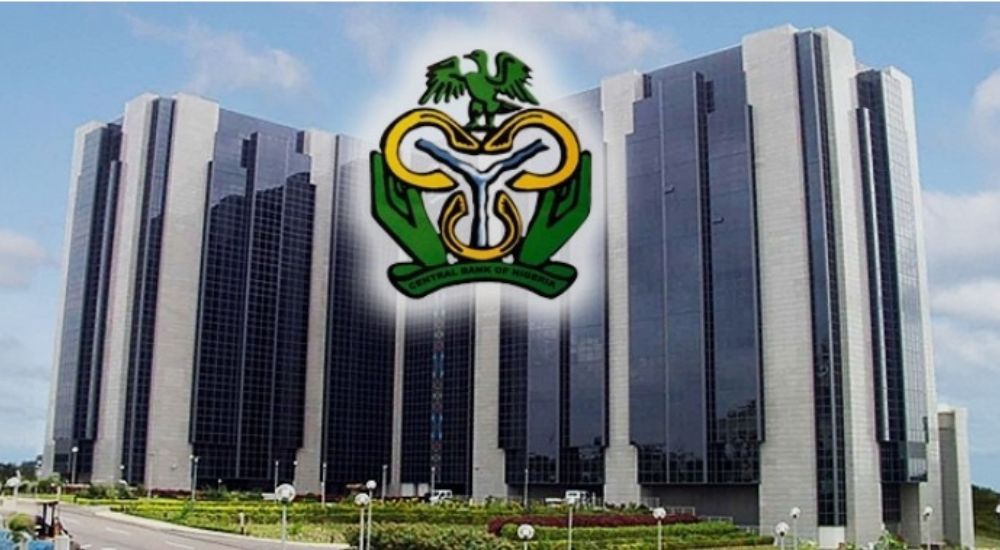
Despite its recent commencement of trading on the floor of the NGX Exchange, Aso Savings and Loans Plc’s operating license has been withdrawn by the Central Bank of Nigeria (CBN), along with that of Union Homes Savings and Loans.
The revocation of the licenses of Aso Savings and Loans Plc and Union Homes Savings and Loans Plc by the Central Bank of Nigeria (CBN) was executed on December 15, 2025, barely two weeks to end of the 2025 financial year.
Subsequent to the licences revocation, the Nigerian Deposit Insurance Cooperation (NDIC) immediately swung into action, with the commencement of the liquidating processes of the two financial institutions.
In a notice released on Tuesday dated 16th December, 2025, titled “NOTICE TO DEPOSITORS OF ASO SAVINGS AND LOANS PLC AND UNION HOMES SAVINGS AND LOANS PLC (IN-LIQUIDATION)” obtained by our correspondent, NDIC said that it was appointed as the liquidator of the defunct banks in line with the provisions of Section 12(2) of the Banks and Other Financial Institutions Act (BOFIA) 2020.
And having derived its powers from the BOFIA 2020, the NDIC called for cooperation with the customers of the affected banks, to ensure that they get settled as provided by law, through the processes of verifications and payments of insured deposits to depositors of the closed banks.
Verification and Payment of Depositors
NDIC said in the statement that depositors will be paid their insured deposits up to the maximum amount of N2,000,000 (Two Million Naira) per depositor, using the Bank Verification Number (BVN) as a unique identifier to locate their alternate bank accounts, into which the insured sums will be automatically credited.
It further assured that depositors with balances in excess of N2,000,000 will be paid the initial insured amount, while their outstanding balances will be settled as liquidation dividends upon the realisation of the assets and recovery of debts owed to (of) the failed banks.
“To this end, the Corporation will commence the sale of the banks’ assets and continue recovery of outstanding loans in order to expedite payment of uninsured sums.

Recommended for you




Leave a Reply
Leave a Reply