BY IDOWU ADEWARA
Lagos is often described as chaotic, but chaos is rarely accidental. It is shaped by human choices, by what citizens tolerate, excuse, or quietly normalise over time. While government bears enormous responsibility for planning, infrastructure, and service delivery, the quality of life in the city is also shaped daily by the behaviour of its residents. This is where civic responsibility becomes unavoidable.
Civic responsibility is not merely about compliance; it is about commitment. It is the recognition that society is not an abstract entity run solely by government officials, but a shared project sustained by the everyday actions of ordinary people. At its core, civic responsibility asks citizens to hold themselves accountable beyond personal convenience or immediate gain.
We often speak of wanting a “good society,” one with reliable electricity, clean streets, efficient transportation, responsive institutions, and justice for all. Yet this vision remains elusive, not always because resources are absent, but because the culture that sustains such a society is weak. A good society reveals itself in how people treat public spaces, how they respond to rules, how they engage authority, and how they extend care to one another even when no one is watching.
Too often, civic responsibility is misunderstood as something abstract or bureaucratic. It is not limited to voting during elections or paying taxes, though these are important. It is about recognising that one’s actions, however private they seem, have public consequences. It is the understanding that society is not an external entity imposed on us, but a shared project sustained by our choices.
Civic responsibility is reflected in how residents dispose of waste instead of blocking drainage systems that later cause flooding. It appears in how drivers obey traffic laws, not only when enforcement officers are present, but because order protects everyone. It shows in how citizens treat public property —not as nobody’s business, but as everybody’s concern. It asks citizens to choose long-term collective benefit over short-term individual gain.
These actions may appear insignificant, but they accumulate. Societies are not weakened only by corrupt leaders or failed policies; they are eroded daily by ordinary acts of neglect, indifference, and rule-breaking. When people normalise cutting corners, bribing their way out of accountability, or damaging shared spaces, they unknowingly reproduce the very dysfunction they criticise.
In a city as interconnected as Lagos, no action is entirely private. Blocking a drainage channel, spreading misinformation, evading civic duties, or disregarding public order may feel inconsequential in isolation. Collectively, however, these actions determine whether the city functions or frays.
Consider the butterfly effect of everyday civic behaviour. A single act, like queuing patiently at a BRT station, quietly challenges the “big man” syndrome that clogs public systems. Volunteering at polling units helps ensure credible elections and curbs the godfatherism that often silences youth voices. In education-starved communities, parents who deliberately teach children respect for rules and public spaces are planting seeds for future leadership. These are not heroic gestures, they are habits that compound over time.
A good society is not built only in moments of crisis or celebration. It is constructed quietly, through repetitive actions that rarely make headlines. Paying taxes promptly funds roads, schools, and public services. Reporting crimes or environmental hazards early prevents small problems from escalating into crises. Imagine if illegal dumping along roadsides simply stopped. Drainage channels would flow better, floods would be less destructive, and public health risks would reduce significantly. None of this requires extraordinary sacrifice, only consistency. These acts form the invisible architecture of any functioning society.
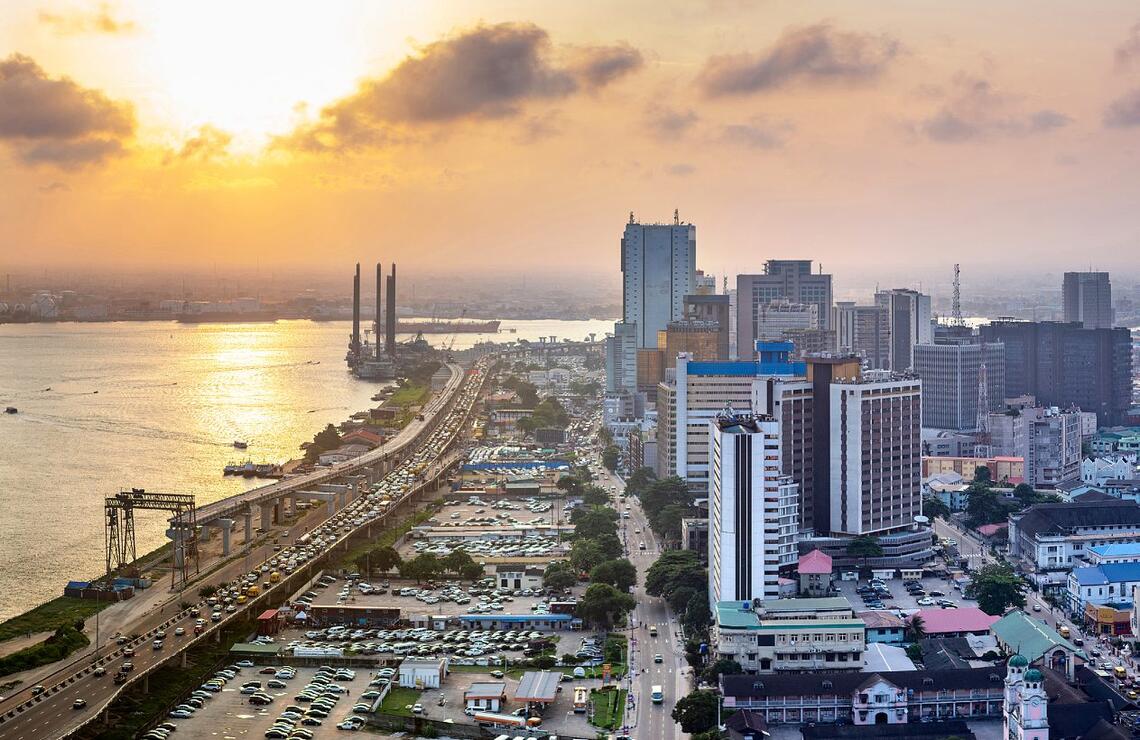
In Lagos today, the question of civic responsibility is more urgent than ever. It shows up in traffic management, waste disposal, public discourse, elections, and emergency response. Whether Lagos becomes merely a city that survives or a society that thrives depends largely on how seriously citizens understand and practise their civic duties.
Take waste management as an example. The sight of refuse dumped on roadsides or into drainage channels has become common enough to feel normal. Yet each act of improper disposal contributes directly to flooding, environmental degradation, and public health risks. When floods occur, we often blame government agencies for poor drainage systems, and rightly so. But the truth is that no drainage system, however well designed, can function if citizens consistently undermine it. The work of building a good society begins with the uncelebrated discipline of proper waste disposal, practised daily by individuals who may never be praised for it. The same logic applies to transportation. Lagos roads are a daily theatre of impatience and negotiation. Drivers cut corners, ignore traffic lights, and flout lane rules to save a few minutes. Each individual decision feels rational, even necessary, in a congested city. Collectively, however, these actions produce chaos, accidents, and longer travel times for everyone. Civic responsibility, in this context, is the quiet decision to wait one’s turn and follow rules even when breaking them seems easier. It is restraint in service of collective order.
Civic responsibility also operates within institutions. Many Lagosians encounter government not through policy documents or press briefings, but through frontline workers: teachers, nurses, clerks, police officers, and local government officials. The quality of these everyday interactions shapes public trust more than official speeches. When a civil servant chooses diligence over negligence, fairness over favouritism, and service over exploitation, they perform the invisible work of rebuilding confidence in public institutions. This labour rarely attracts applause, yet it determines whether citizens feel alienated from or invested in the state.
Equally important is the idea of shared ownership. Many citizens relate to government as something distant and adversarial, an entity to be endured rather than engaged. Given Nigeria’s history, this mindset is understandable. However, it weakens civic life. A good society requires a shift from “government versus people” to “institutions as extensions of our collective will.” This does not mean blind loyalty or silence in the face of failure. It means recognising that neglecting public spaces, abusing public resources, or disengaging entirely does not punish the government alone; it impoverishes the community.
Modern conversations about citizenship tend to emphasise rights, and rightly so. Citizens must demand accountability, transparency, and justice from those in power. However, rights without responsibility create a fragile civic culture. A society where everyone demands fairness but few practise fairness quickly collapses into cynicism. Responsibility must accompany rights if civic life is to endure.
This responsibility is reciprocal. Citizens must demand better governance while delivering their own part faithfully. As John F. Kennedy once urged, citizens should not only ask what their country can do for them, but what they can do for their country. This idea remains uncomfortable but necessary.
Building a greater Lagos demands that civic responsibility be reclaimed as a collective strength. It is not about waiting for utopia, but constructing it gradually, street by street, neighbour by neighbour. In Lagos State, the future will be shaped not only by mega projects, economic reforms, or political leadership, but by millions of small decisions made daily by ordinary people —the decision to queue instead of push, to report wrongdoing rather than participate in it, to show up consistently rather than occasionally. These actions may never trend, but they matter. The greater Lagos we deserve awaits those willing to take on the mantle of civic responsibility. Will you?
Idowu Adewara is a fellow of the Lateef Jakande Leadership Academy

Recommended for you





Leave a Reply
Leave a Reply