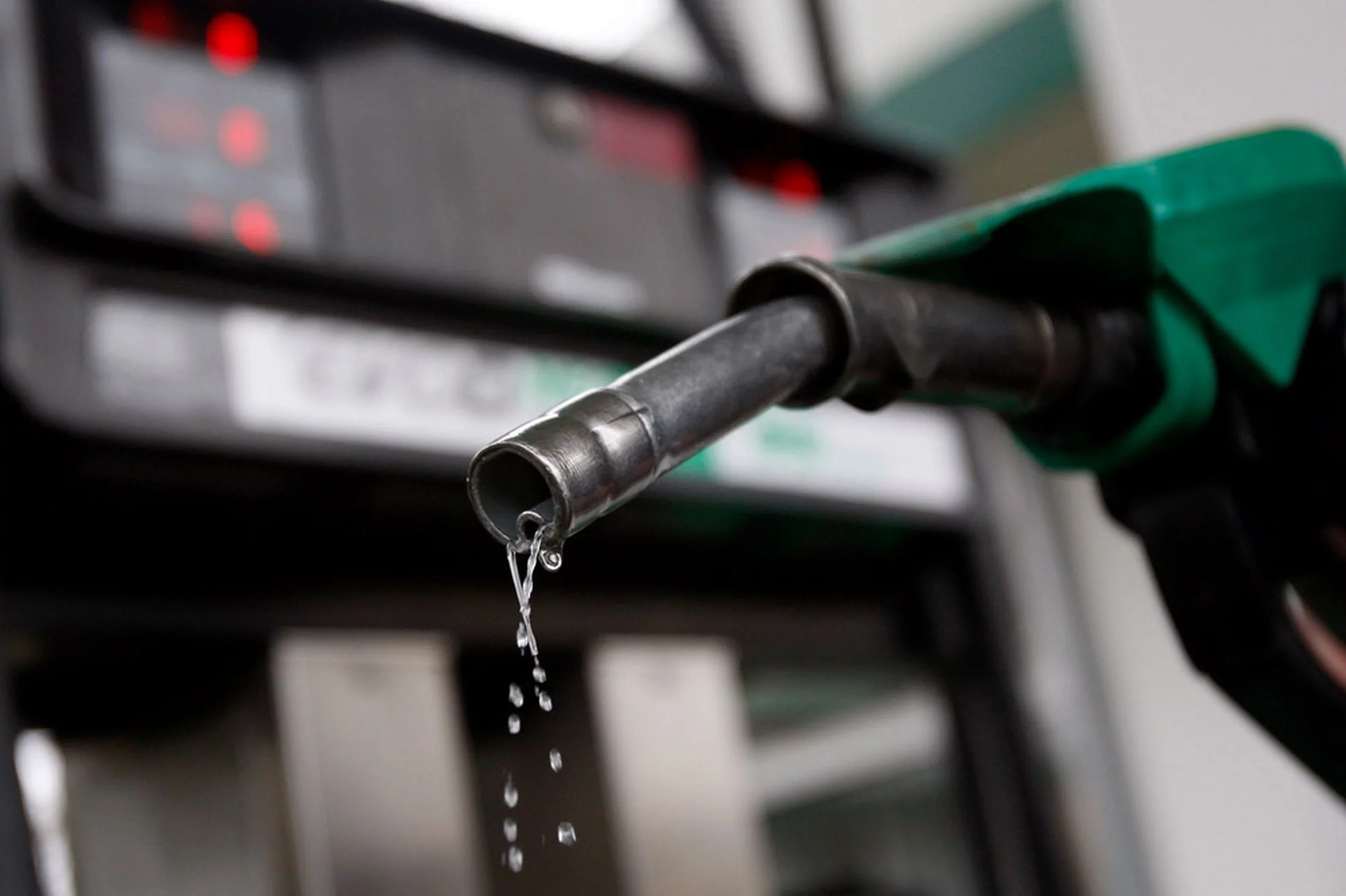
Former Vice-President Atiku Abubakar has asked the federal government to explain the management of Nigeria’s oil revenues and savings from petrol subsidy removal as petrol prices rise to as much as N1,450 per litre.
The latest price increases followed heightened tensions in the Middle East and a surge in international crude oil prices.
Checks showed that several filling stations in Abuja, the nation’s capital, raised their pump prices to between N1,395 and N1,450 per litre.
In Lagos, some outlets also adjusted prices upwards, with petrol selling for N1,400 per litre at some stations. In Ibadan, one filling station was selling at N1,370 per litre. ‘WHERE ARE THE SUBSIDY SAVINGS?’
In a statement issued on Monday by Phrank Shaibu, his senior special assistant on public communication, Atiku accused the administration of President Bola Tinubu of failing to provide adequate explanations on the country’s revenues, federation account deductions and other oil-related transactions.
Atiku said Nigerians were told that the removal of petrol subsidies would free resources for education, healthcare, infrastructure, and other essential services.
According to him, the continued rise in petrol prices, despite the revenue generated from the oil sector, makes it necessary for the government to account for the funds it has received and the savings it claimed would result from subsidy removal.
Petrol at N1,470 per litre is not merely a figure at the filling station. It enters the price of transportation, food, school runs, farming, manufacturing, and virtually everything Nigerians buy. Every increase at the pump travels directly into the household budget,” he said.
“After all the pain imposed on Nigerians, they have a right to ask: where are the subsidy savings, and where is the money?”
The presidential candidate of the African Democratic Congress (ADC) called for a comprehensive reconciliation of federation account revenues from 2023 to date.
He said the exercise should disclose gross collections, deductions made before distribution, the statutory authority for each deduction, the accounts into which the funds were paid, and the ultimate beneficiaries.

Leave a Reply
Leave a Reply